
Lăsaţi un mesaj
Dacă sunteți interesat de camioane HOWO și doriți să aflați mai multe detalii, vă rugăm să lăsați un mesaj aici, vă vom răspunde în termen de 8 ore.


Care este cel mai rău lucru la colectarea apelor uzate? Nu este vorba de muncă grea sau murdăria, ci de camionul blocat lângă o fosă septică, țevile într-un puț și pompa nefuncțională. Nu numai că acest lucru întârzie programul de lucru, dar mulți oameni presupun în mod eronat că pompa este defectă sau că utilajul este inutilizabil atunci când camionul funcționează defectuos și solicită imediat reparații majore, irosind bani și timp.
De fapt, șasiul și sistemul de aspirare al camionului cu aspirator Howo sunt foarte stabile. 90% din defecțiunile comune nu sunt deteriorări hardware, ci mai degrabă cauzate de funcționare și de probleme minore zilnice. Astăzi, am rezumat câteva probleme principale întâlnite frecvent de șoferi, împreună cu metode practice care pot fi rezolvate la fața locului fără a dezasambla mașina. Atât șoferii începători, cât și cei experimentați le pot utiliza direct.
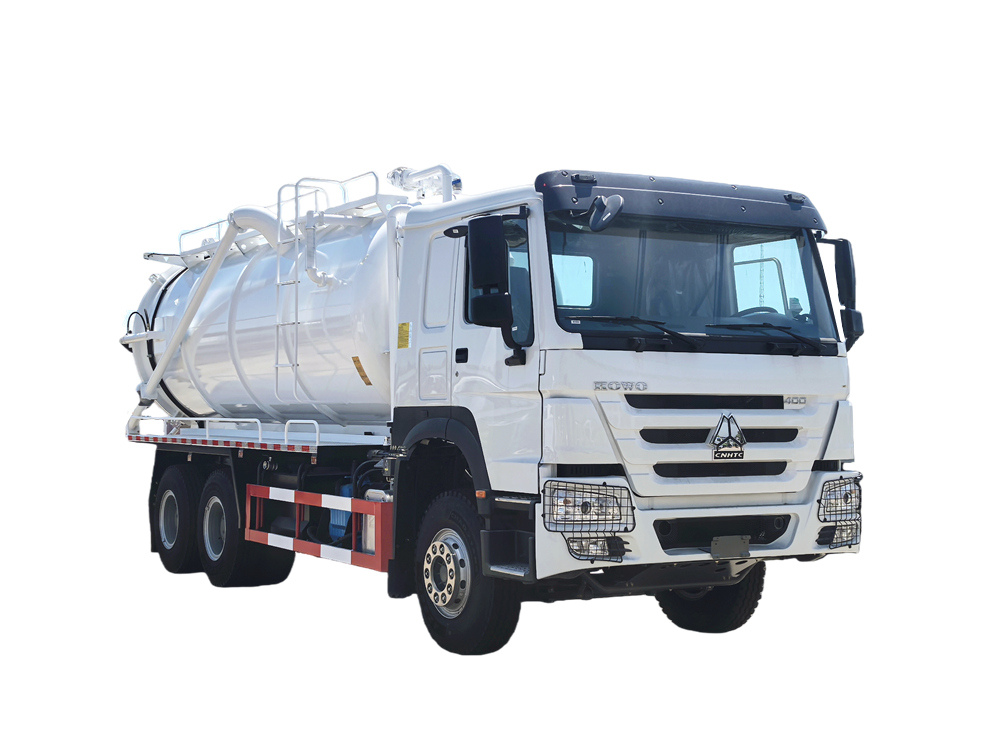 Defecțiunea 1: Pompa de vid funcționează cu aspirație slabă
★ Fenomen: Toate componentele funcționează normal, presiunea vacuumului este prea mică, conducta bolborosește și nu aspiră deșeurile.
★ Cauze: Scurgeri de aer, poziționare necorespunzătoare a supapei, piese uzate ale pompei, conducte blocate și ulei de vid anormal.
★ Soluții
• Opriți priza de putere, curățați filtrul și resturile de conductă
• Comutați supapa cu patru căi în poziția de aspirație
• Verificați și reparați garniturile de etanșare a scurgerilor de aer
• Înlocuiți componentele uzate ale pompei
• Eliminați supapa de preaplin blocată și separatorul apă-gaz
• Completați sau înlocuiți uleiul pompei de vid la timp
★ Sfaturi de prevenireCurățați filtrul după utilizare, verificați pompa și uleiul în mod regulat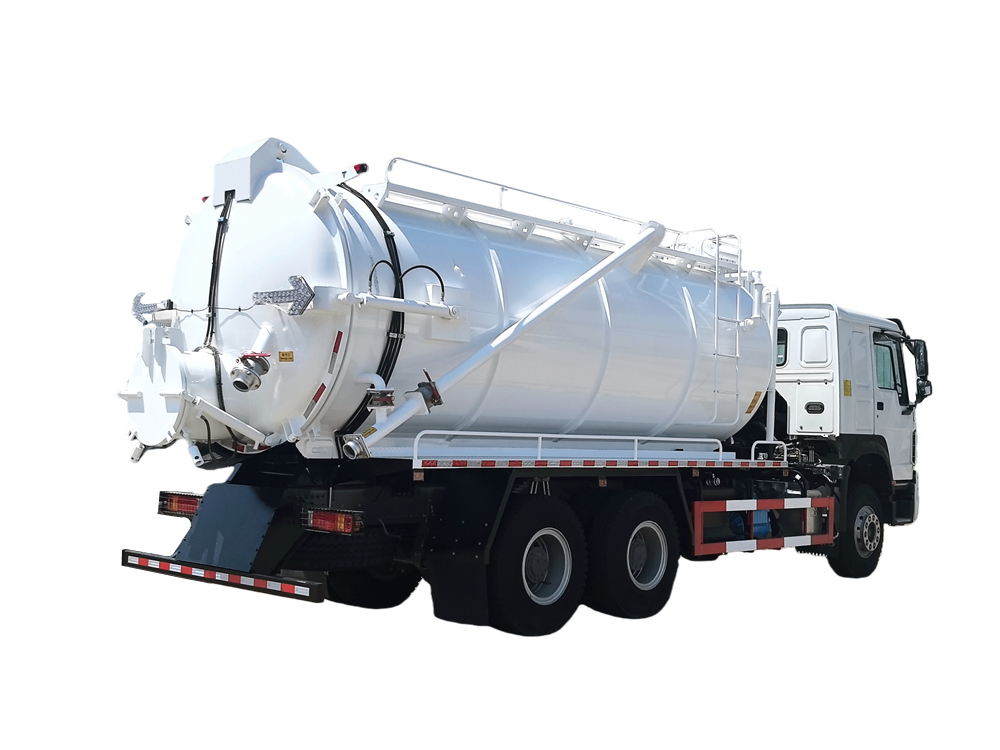
Defecțiunea 2: Poate funcționa fără apă și poate aspira aer, dar nu poate pompa nămol gros sau ape uzate.
★ Cauze principale:
• Presiunea negativă din rezervor nu este complet acumulată înainte de începerea aspirației.
• Intrarea în rezervor este presată strâns pe fundul rezervorului, fără spațiu de admisie a aerului.
• Nămolul gros, tasat, s-a întărit și nu a fost afânat.
★ Operațiuni corective:
• Lăsați pompa să funcționeze în gol timp de 30 de secunde înainte de utilizare pentru a acumula suficientă presiune negativă în rezervor.
• Mențineți orificiul de aspirație la 3–5 cm deasupra fundului rezervorului pentru a evita contactul complet.
• Pentru nămol gros, diluați mai întâi cu apă pentru a-l afâna, apoi ridicați și coborâți admisia în timpul pomparii. Nu forțați aspirația.
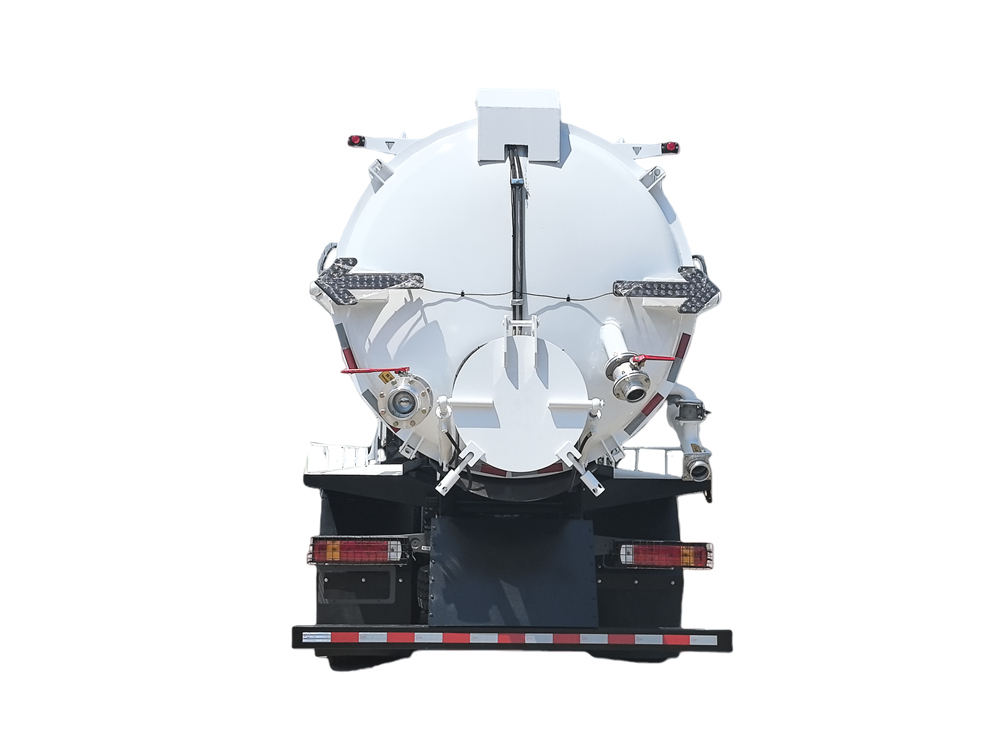 Defecțiunea 3: Pompa se supraîncălzește, produce zgomote anormale în timpul funcționării
★ Simptome din lumea reală: După o scurtă perioadă de funcționare, temperatura pompei crește brusc, însoțită de un bâzâit. Noii operatori, temându-se de epuizarea pompei, opresc imediat lucrul, întârziind inutil proiectul.
★ Cauze reale: Adesea cauzată de mersul în gol prelungit, impurități din interiorul pompei, palete/carcase uzate, ulei de ungere insuficient sau deteriorat. Este necesară demontarea, curățarea sau înlocuirea pieselor care se uzează ușor.
★ Soluții la fața locului:
• Dacă impurități sau resturi pătrund în camera pompei, demontați, curățați pompa de vid și înlocuiți piesele uzate.
• Înlocuiți prompt manșoanele uzate ale paletelor.
• Adăugați sau înlocuiți uleiul de ungere curat dacă este insuficient sau contaminat.
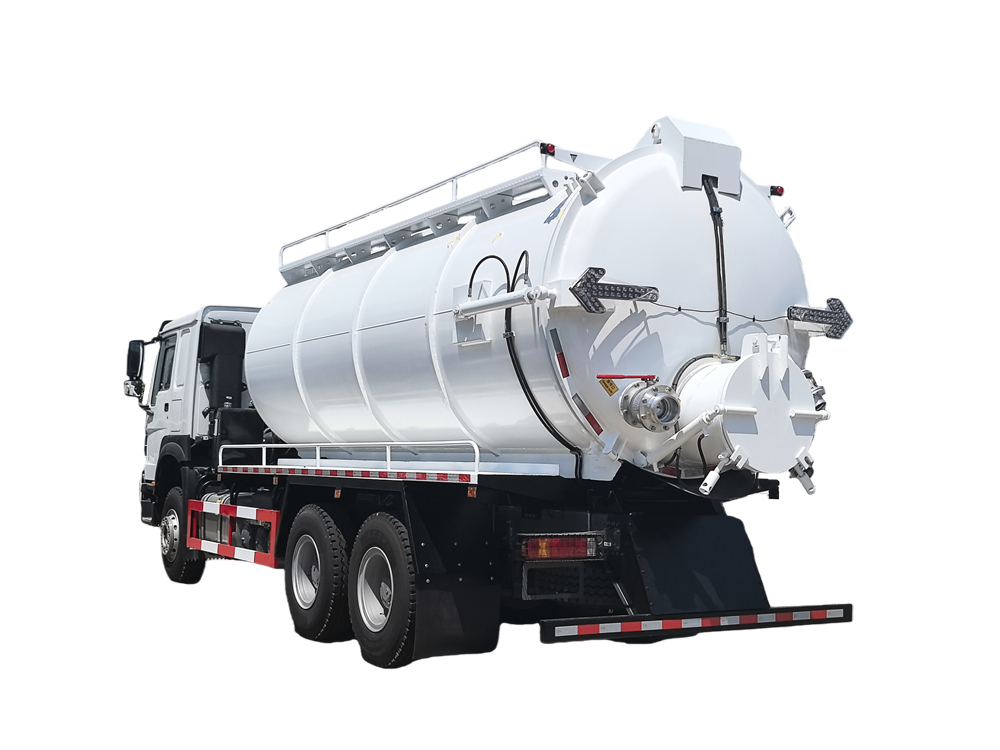
Defecțiunea 4: Manometrul de vacuum nu indică nicio citire sau o citire anormală
★ Cauzele posibile includ deteriorarea corpului manometrului, blocarea tubului manometrului, viteza insuficientă a pompei de vid sau funcționarea defectuoasă a supapei cu patru căi. Fiecare posibilitate trebuie verificată individual.
★ Soluții:
• Turația pompei de vid este prea mică: Soluție: Măriți accelerația;
• Blocaj al tubului manometrului de vid: Soluție: Îndepărtați blocajul;
• Vacuometru deteriorat: Soluție: Înlocuiți vacuometrul;
• Robinetul cu bilă cu patru căi nu este complet deschis: Soluție: Înlocuiți paleta.
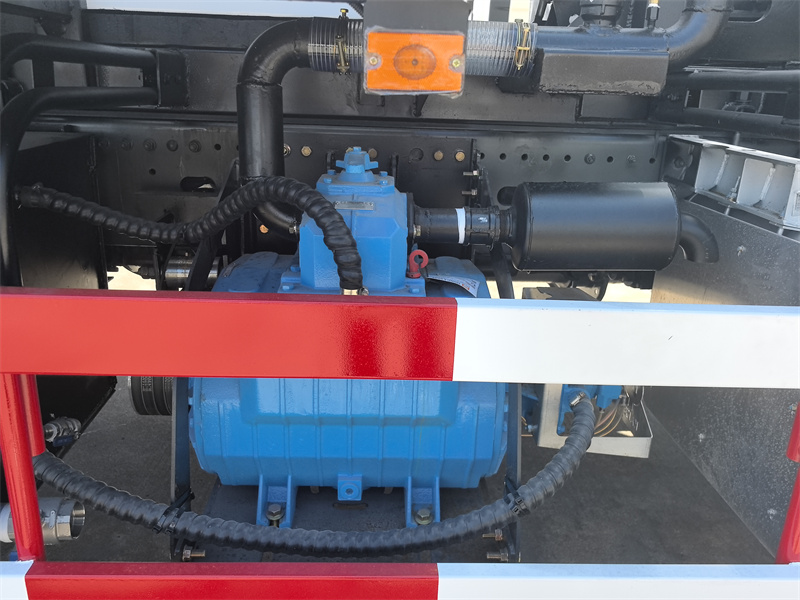
Defecțiunea 5: Refluxul apelor uzate după oprirea pompării
★ Simptom: După ce pompa este oprită, apele uzate curg înapoi în pompă din conducta de aspirație.
★ Cauze frecvente
• Orificiul de aspirație nu a fost scos la timp din suprafața lichidului.
• Supapa anti-supraîncărcare funcționează defectuos: plutitorul este blocat sau etanșarea nu este etanșă.
• Supapa cu patru căi nu a revenit în poziția inițială, iar conducta este încă deschisă în rezervor.
★ Soluții
• Când rezervorul este aproape plin, trageți mai întâi conducta de aspirație din suprafața lichidului, apoi opriți pompa.
• Verificați/înlocuiți ansamblul supapei anti-supraîncărcare pentru a vă asigura că se închide automat când rezervorul este plin.
• Înainte de a opri pompa, comutați supapa cu patru căi în poziția **„Oprire/Etanșă”**.
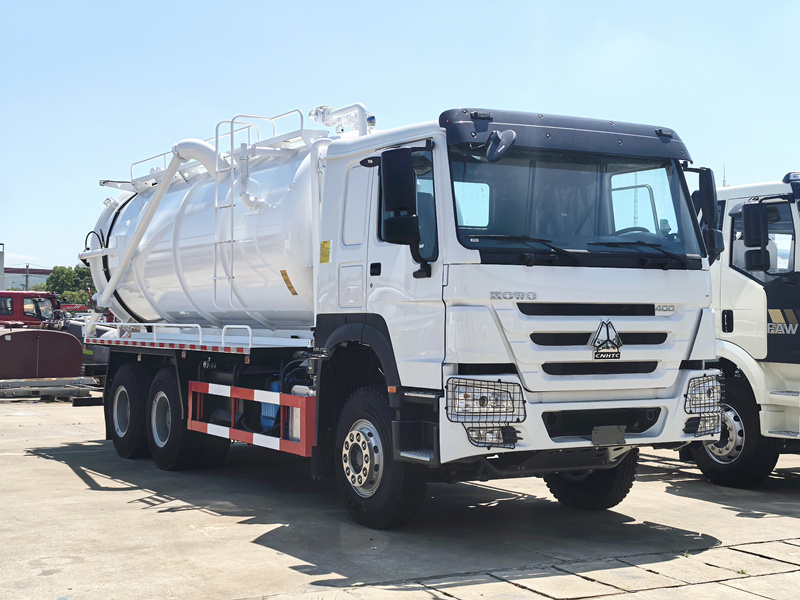
Defecțiunea 6: Capac hayon scurgere
★ Acest lucru este adesea cauzat de un șurub stânga slăbit, o garnitură învechită și ineficientă sau reglarea necorespunzătoare a tijei de direcție (reglarea lungimii tijei de direcție). Garniturile trebuie strânse sau înlocuite.
Defecțiunea 7: Zgomot anormal la priza de putere, temperatură ridicată, imposibilitatea de a cupla vitezele
★ Cauze frecvente
• Uzura angrenajelor/rulmenților.
• Ulei de lubrifiere insuficient/deteriorat.
• Funcționare necorespunzătoare: ambreiajul nu este complet apăsat, cuplarea vitezelor la o turație prea mare.
★ Soluții
• Verificați nivelul uleiului, adăugați sau înlocuiți cu ulei special pentru angrenaje.
• Zgomot anormal puternic → demontați, inspectați și înlocuiți piesele uzate.
• Cuplarea vitezelor: apăsați complet ambreiajul, cuplați la ralanti sau cu o ușoară accelerare, evitați forțarea vitezei.
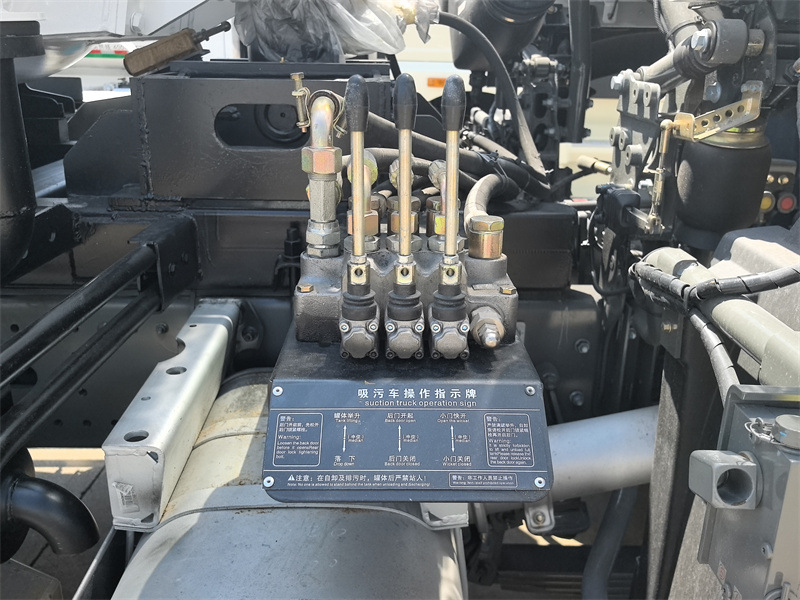
Eroarea 8: Defecțiune a sistemului hidraulic
Aceasta implică scurgeri de ulei din cilindru, supape hidraulice blocate și netransmiterea puterii de la priza de putere. Este necesar să se verifice etanșările conductelor și starea de funcționare a pompei hidraulice.
Instrucțiuni zilnice de depanare rapidă (importante)
1. Supape de sens invers: Sunt supapa cu patru căi, supapa anti-supraîncărcare și supapa de aerisire în pozițiile corecte?
2. Verificați țevile: Verificați dacă există scurgeri și blocaje în conducta de aspirație, îmbinări și garnituri.
3. Verificați pompele: Verificați nivelul uleiului, calitatea uleiului, nivelul de vid, zgomotele neobișnuite și supraîncălzirea.
4. Verificați transmisia: Verificați priza de putere, cureaua și viteza.
5. Verificați sigiliile: Verificați etanșările deschiderii rezervorului, ale capacului posterior și ale supapei anti-supraîncărcare.
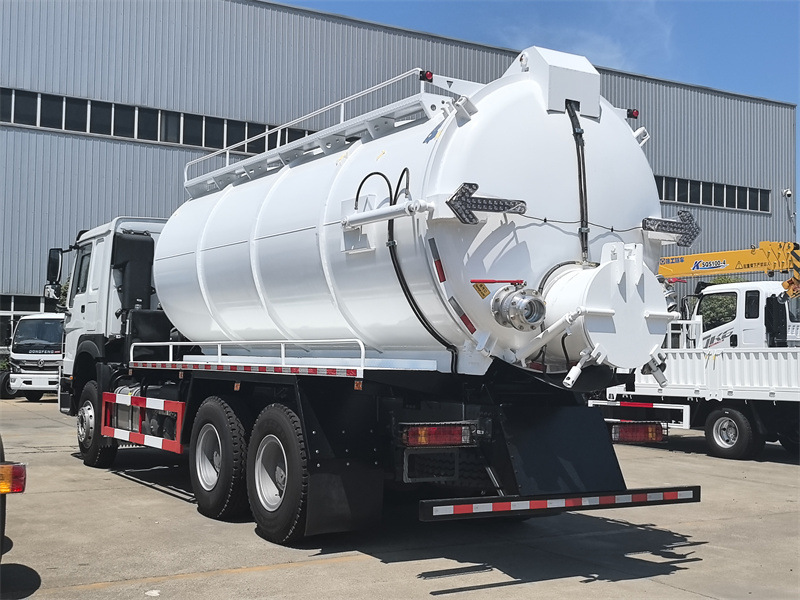
 IPv6 REȚEA SUPORTATĂ
Lăsaţi un mesaj
Scanare către WeChat/Whatsapp :



 Română
 English
 Français
 Deutsch
 Русский
 Italiano
 Español
 Português
 Nederland
 日语
日语 한국어
한국어 Türk
Türk Ελληνικά
 แบบไทย
 Magyar
 Indonesia
 Tiếng Việt
 عربي
عربي Қазақстан
 မြန်မာ
 Filipino
 kiswahili
 Türkmenler
 o'zbek
 Кыргызча
 українська
 čeština
 Slovák
 فارسی
فارسی hrvatski
 Svenska
 中文
中文