Lăsaţi un mesaj
Dacă sunteți interesat de camioane HOWO și doriți să aflați mai multe detalii, vă rugăm să lăsați un mesaj aici, vă vom răspunde în termen de 8 ore.

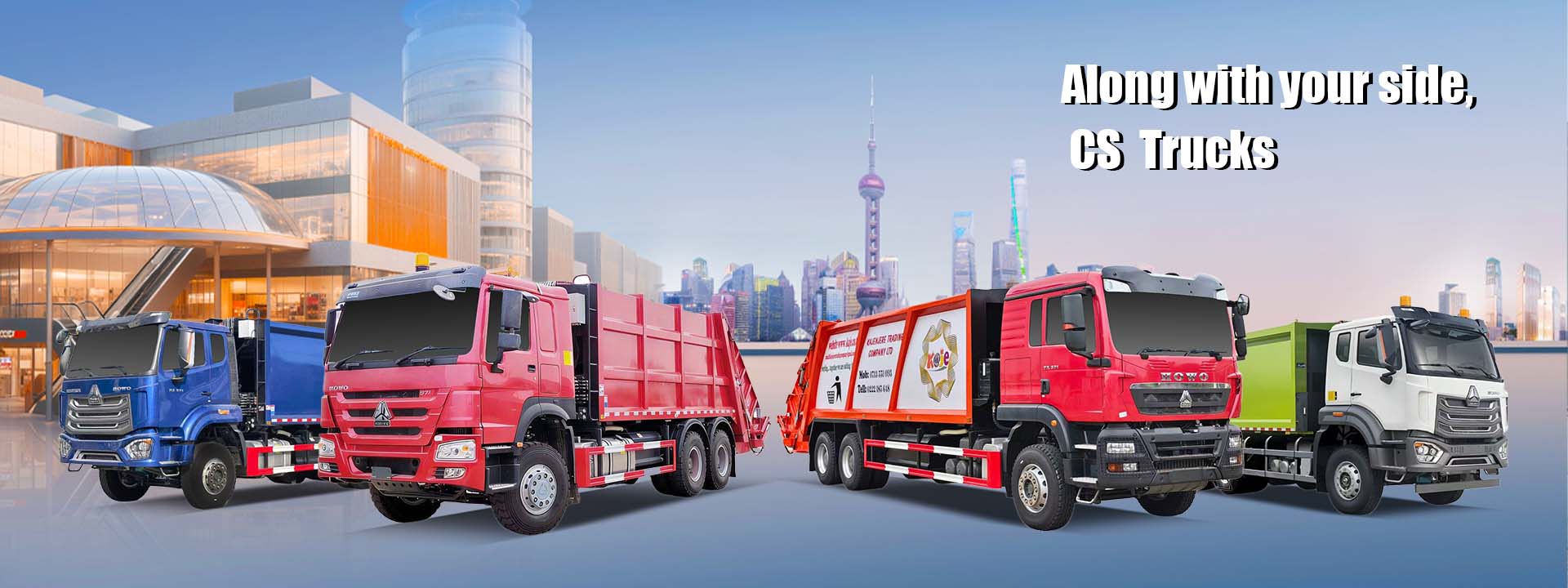
Camionul de tractare HOWO (numit și camion de recuperare HOWO, camion de pană) este un vehicul de salvare profesional dezvoltat pe șasiul unui camion greu HOWO. A câștigat recunoașterea clienților pentru capacitatea sa de încărcare excepțională, sistemul de propulsie puternic și fiabilitatea ridicată. Pentru a face față diferitelor scenarii de accidente,... Camion de tractare HOWO a evoluat în două modele structurale principale: camionul de salvare și camionul rotativ. Deși ambele se încadrează în categoria de intervenții de salvare grele, ele diferă fundamental prin principiile mecanice și adaptabilitatea operațională. Acest articol oferă o analiză aprofundată a diferențelor principale dintre aceste două modele pentru a oferi îndrumări profesionale pentru decizia dumneavoastră de cumpărare.
Ce este un camion de demolare HOWO?
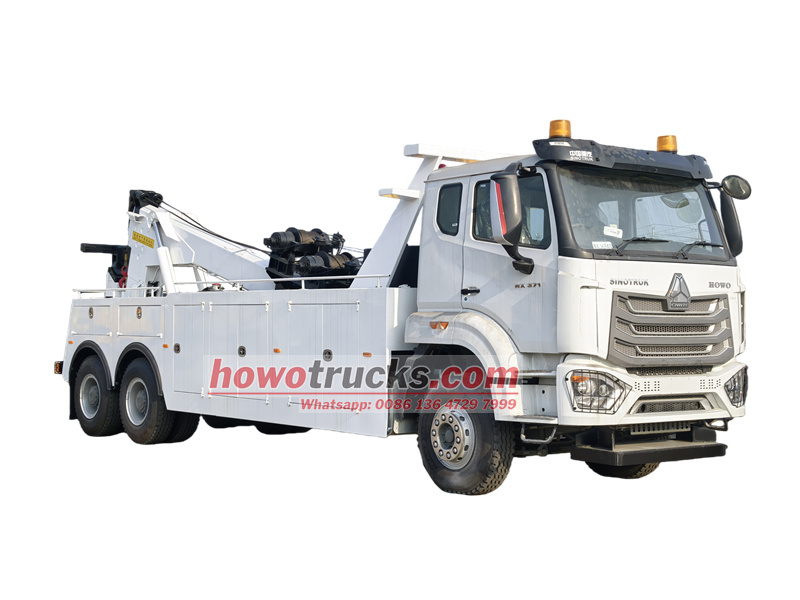
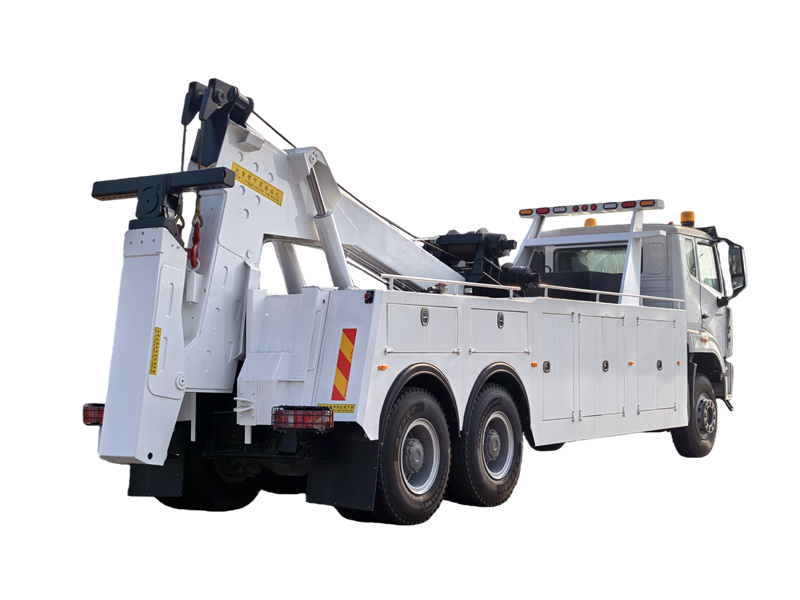
Camionul de demolare HOWO se referă la un camion de demolare al cărui braț și braț de ridicare sunt unite ca o singură unitate, având o bază comună sau un centru de rotire.
Simplu spus, brațul și brațul de ridicare sunt „crescute” pe aceeași bază, lucrând împreună în timpul funcționării, dar cu anumite constrângeri de mișcare. Principalele avantaje ale acestei structuri sunt compactitatea și rigiditatea ridicată, permițându-i să suporte sarcini de ridicare și remorcare extrem de mari. Camionul de demolare HOWO poate atinge capacități de remorcare de 20 de tone sau chiar 35 de tone, ceea ce le face potrivite pentru remorcarea unor camioane grele și semiremorci dificile. Din punct de vedere structural, aceste vehicule utilizează de obicei brațe hexagonale cu două sau trei secțiuni, cu o rezistență puternică la încovoiere.
Ce este un camion rotativ HOWO?
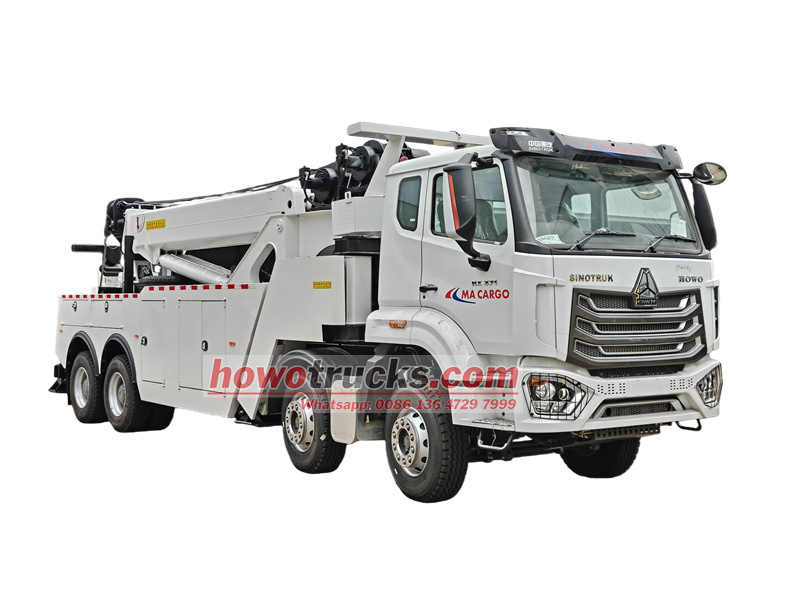
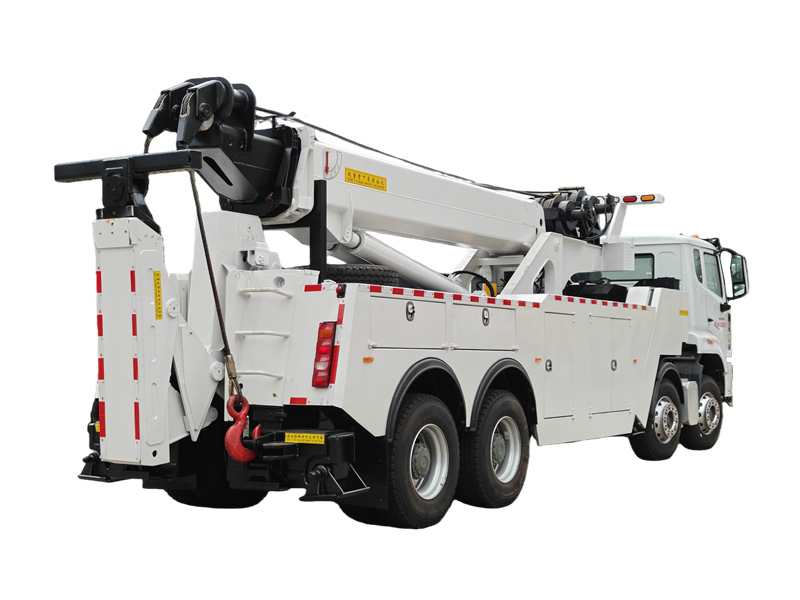
Camionul rotativ HOWO este o formă avansată a tipului separat cu remorcare-ridicare. Caracteristica sa principală este un mecanism independent de rotire pe suprastructură, care permite brațului să se rotească continuu la 360 de grade, la fel ca o macara.
Aceasta înseamnă că brațul și brațul de ridicare pot funcționa complet independent. Atunci când se recuperează vehicule răsturnate sau când este necesară ridicarea din unghiuri speciale, brațul rotativ oferă avantaje excepționale. Nu mai depinde de direcția de mers a vehiculului - brațul poate fi rotit pentru a îndrepta spre epavă din orice unghi. Aceste modele sunt adesea utilizate pe viaducte, în tuneluri sau în medii închise/cu teren restricționat. În ceea ce privește echipamentele, modelele cu braț rotativ dispun de obicei de brațe hexagonale cu trei secțiuni, sisteme hidraulice importate și chiar operare prin telecomandă.
Comparație de bază: Care ți se potrivește mai bine?
| Dimensiunea de comparație | Camion demolator HOWO | Camion HOWO cu roată |
| Structura centrală | Brațul și brațul de ridicare sunt integrate într-o singură unitate, având o bază comună și mișcări coordonate. | Brațul și brațul de ridicare sunt separate; brațul are propriul rulment de rotire independent și poate funcționa independent. |
| Unghiul de rotire | Rotație necompletată. De obicei, nu se poate realiza o rotație continuă de 360°; funcționarea se bazează în principal pe direcția de mers a vehiculului. | Rotire completă la 360°. Nu este restricționată de direcția vehiculului, oferind o flexibilitate mult mai mare a unghiului de salvare. |
| Capacitate de lucru | Capacități de remorcare comune în intervalul 20-35 de tone, potrivite pentru remorcarea de încărcături grele. | De obicei 30 de tone, 50 de tone sau chiar mai mult. |
| Scenarii aplicabile | Linii principale de autostradă, suprafețe de drum plate — remorcarea camioanelor grele și a semiremorcilor. | Accidente prin răsturnare, ridicări dincolo de parapete, viaducte și salvări pe teren complex. |
| Costul achizițiilor | Relativ economic, cu structură matură și costuri de întreținere mai mici. | Costuri de fabricație mai mari, cu cerințe extrem de stricte pentru componentele hidraulice. |
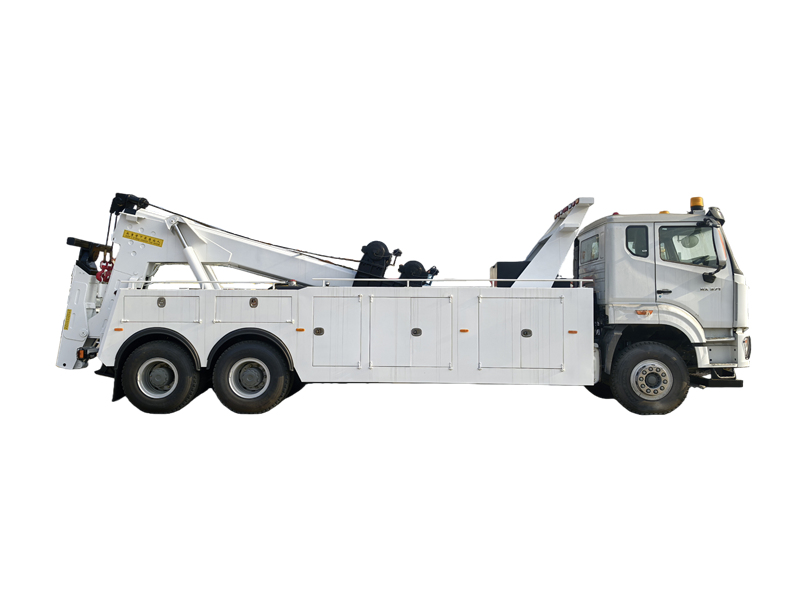 | 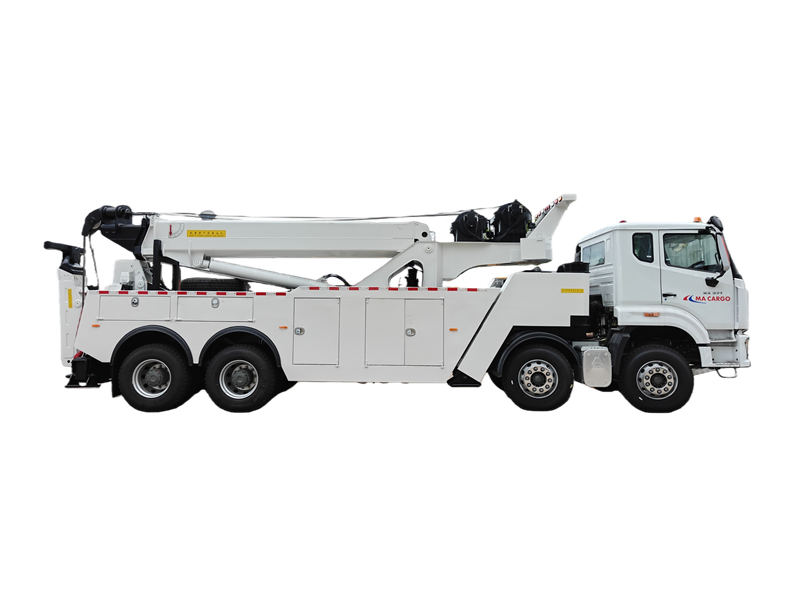 |
| Camion de tractare HOWO | Camion de tractare HOWO cu roată |
Analiza scenariilor de aplicație
1. Administrarea autostrăzilor și flote logistice mari (recomandat: camion de demolare HOWO)
Dacă sarcina dumneavoastră principală este curățarea semiremorcilor avariate sau a camioanelor încărcate complet care ocupă benzile de circulație și accentul dumneavoastră este pus pe „puterea de tracțiune și capacitatea de mișcare”, demolatorul cu braț de remorcare integrat este alegerea mai simplă. Structura sa rigidă integrată transformă eficient cuplul motorului șasiului în forță de ridicare și oferă o stabilitate excelentă în timpul remorcării în linie dreaptă.
2. Răspuns de urgență urbană și salvare în tuneluri (recomandat: camion rotativ HOWO)
Dacă aveți de-a face frecvent cu vehicule care s-au răsturnat de pe șosea, cabine grav deformate sau vehicule blocate în curbe înguste, brațul rotativ oferă avantaje de neînlocuit. Salvatorii pot poziționa camionul în siguranță și pot utiliza brațul rotativ pentru a „scoate” epava fără a fi nevoie să dea înapoi sau să repoziționeze vehiculul în mod repetat - acest lucru este semnificativ mai sigur pe viaducte și în timpul operațiunilor nocturne.
 |  |
Întrebări frecvente – Întrebări frecvente
Î1: Poate fi echipată o autocamion de demolare cu un mecanism de rotire pentru a deveni un model cu braț rotativ?
Nu este recomandat. Acestea sunt configurații complet diferite ale suprastructurii șasiului. Subcadrul și punctele portante ale unui model de camion de remorci nu sunt proiectate să reziste forțelor de torsiune generate de un rulment de rotire; acest lucru ar duce la fisurarea șinelor cadrului șasiului.
Î2: Poate un camion rotativ să înlocuiască o macara montată pe camion dedicată?
Parțial, dar nu complet. Scopul principal al unui camion rotativ este ridicarea și extragerea vehiculului; înălțimea și raza de acțiune a acestuia sunt în general mai mici decât cele ale unei macarale dedicate. Deși camionul este echipat cu trolii (de exemplu, două trolii hidraulice de 15 tone), ciclul său de funcționare este orientat spre tragere pe distanțe scurte și cuplu mare, mai degrabă decât spre ridicarea de precizie la înălțime.
Î3: În întreținerea zilnică, care sunt diferențele cheie la care trebuie să fiți atenți?
În cazul camionului de demolare HOWO, acordați o atenție deosebită știfturilor și sudurilor de la conexiunea dintre brațul de ridicare și braț - sarcina grea pe termen lung poate duce la oboseala metalului. În cazul camionului rotator HOWO, concentrați-vă pe întreținerea rulmentului de rotire: acesta trebuie uns în mod regulat cu lubrifiant special și este esențial să evitați impacturile puternice în timpul rotirii. Dacă angrenajul este deteriorat, costurile reparațiilor sunt extrem de mari.
 IPv6 REȚEA SUPORTATĂ
Lăsaţi un mesaj
Scanare către WeChat/Whatsapp :



 Română
 English
 Français
 Deutsch
 Русский
 Italiano
 Español
 Português
 Nederland
 日语
日语 한국어
한국어 Türk
Türk Ελληνικά
 แบบไทย
 Magyar
 Indonesia
 Tiếng Việt
 عربي
عربي Қазақстан
 မြန်မာ
 Filipino
 kiswahili
 Türkmenler
 o'zbek
 Кыргызча
 українська
 čeština
 Slovák
 فارسی
فارسی hrvatski
 Svenska
 中文
中文